
After the Crash: A Calm, Practical Guide to Recovery, Safety, and Getting Your Car Back on the Road
- Contributing Author

- Apr 29
- 4 min read
collaborative guest post
No one plans for a car accident. One minute you’re thinking about your to-do list, your kids, or what’s for dinner—and the next, everything feels scrambled. Even a minor crash can leave you shaken, sore, and unsure what to do next.
While your first instinct is always the right one—check that everyone is safe—what comes after matters more than most people realize. The hours and days following a collision can shape not only your physical recovery, but also your financial stability and long-term peace of mind.
This guide walks through that process in a simple, grounded way—so you can move forward with clarity instead of stress.
The First Moments: Safety Before Everything
Right after a crash, your focus narrows.
You check yourself. You check your passengers. You try to make sense of what just happened.
Take a breath.
If possible, move to a safe area and call for help if needed. Even if injuries seem minor, it’s important to stay alert to how your body feels. Adrenaline can mask pain, and discomfort often shows up later.
At the same time, start documenting what you can:
Take photos of the vehicles and surroundings
Capture traffic signals, road conditions, and any visible damage
Exchange information with the other driver
These small steps can make a big difference later on.
Understanding the Impact Beyond the Surface
A car accident doesn’t end at the scene.
In the days that follow, you may notice new aches, stiffness, or fatigue. These are common after sudden impact—even at low speeds. Paying attention to these changes helps you respond early and avoid bigger issues down the line.
But it’s not just about your body.
Your vehicle also absorbs more than what’s visible. A dented bumper might seem like the main concern, but internal components—like alignment, sensors, or structural supports—can be affected even in smaller crashes.
That’s why a thorough inspection matters.
Not just for safety.
But for your confidence when you’re back on the road.
Why Repairing Your Vehicle Properly Matters
It’s tempting to fix things quickly.
You want your routine back. You want life to feel normal again.
But rushing repairs can create problems later.
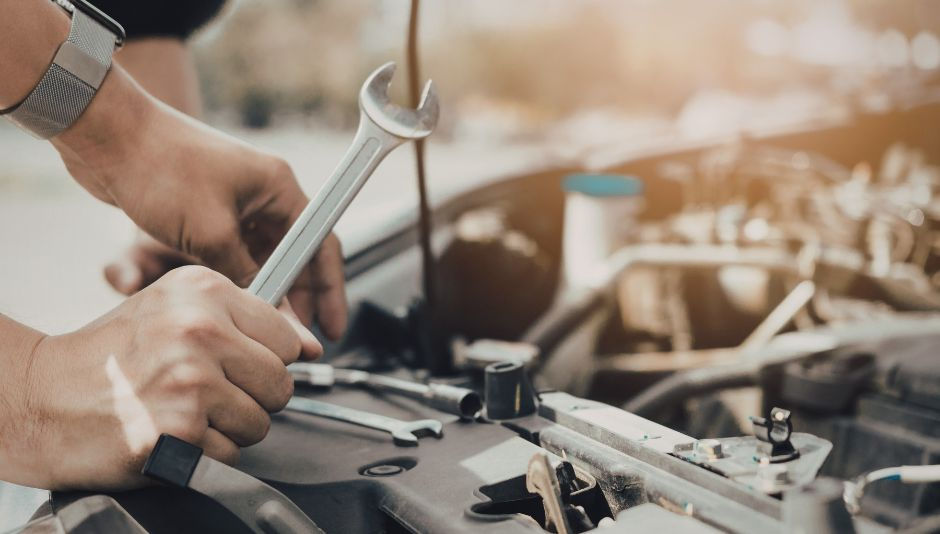
A proper evaluation ensures that hidden damage is addressed—not just the cosmetic issues. This is especially important in modern vehicles, where safety systems depend on precise calibration.
Choosing a reliable collision repair shop gives you more than just a repaired car. It gives you reassurance that your vehicle is safe, stable, and ready for daily use again.
And that peace of mind matters—especially if you’re transporting your family or commuting regularly.
The Insurance Process: What to Expect
Once the immediate situation settles, the paperwork begins.
Insurance claims can feel overwhelming, especially if you’ve never dealt with one before. There are forms, calls, and sometimes conflicting information.
Here’s what helps:
Keep all documentation organized (photos, reports, receipts)
Write down any conversations with adjusters
Ask questions if something isn’t clear
Remember, you don’t have to rush decisions. It’s okay to take your time and make sure everything is properly evaluated before agreeing to repairs or settlements.
This is your situation.
You deserve clarity.
The Emotional Side of Recovery
There’s something people don’t talk about enough.
The emotional impact.
Even a minor accident can leave you feeling uneasy behind the wheel. You might replay the moment in your head or feel extra cautious at intersections.
That’s normal.
Give yourself time.
Ease back into driving when you feel ready. Short trips can help rebuild confidence without overwhelming you.
If you have children, they may also feel unsettled. Keep conversations open and reassuring. Let them know it’s okay to feel nervous—and that you’re taking steps to stay safe.
Recovery isn’t just physical.
It’s emotional too.
Getting Back to Routine—Safely
Life doesn’t pause for long.
Work, errands, school runs—they all come back quickly.
Before you jump back into your full schedule, take a moment to reset.
Ask yourself:
Is my car fully inspected and repaired?
Am I feeling physically ready to handle daily driving?
Do I have everything I need from the insurance process?
If the answer isn’t a clear yes, it’s worth slowing down just a bit longer.
Because pushing too quickly can lead to setbacks.
And you’ve already been through enough.
A Few Practical Tips for Moving Forward
After an accident, small habits can make a big difference:
Keep a basic emergency kit in your car (first aid, flashlight, phone charger)
Review your insurance coverage so you understand what’s included
Schedule regular vehicle maintenance to catch issues early
These aren’t complicated steps.
But they add a layer of preparedness that makes future situations easier to handle.
Final Thoughts: Taking Back Control
A car accident can feel like everything is suddenly out of your control.
But step by step, you can regain that control.
By focusing on safety first. By taking time to understand your recovery. By choosing the right support—whether it’s for your health, your vehicle, or your next steps.
You don’t have to rush.
You don’t have to figure everything out at once.
Just move forward, one clear decision at a time.
And before long, normal life doesn’t feel so far away anymore.


