Top Wart Removal Formulas Compared: What to Check Before Buying

Collaborative guest post
Wart removal formulas differ in their active ingredients, application methods, treatment times, and suitability for different types of warts. Before choosing a treatment, check what causes the wart, where it appears, and whether the formula is supported by reliable evidence. Understanding these differences can help you avoid unnecessary irritation and choose an appropriate approach for your skin.
What Are Wart Removal Formulas?
Wart removal formulas are products designed to help remove warts, which are small skin growths caused by certain types of human papillomavirus (HPV). They commonly appear on the fingers, hands, feet, and around the nails, although they can develop elsewhere on the body.
Some formulas work by gradually breaking down thickened skin, while others use freezing techniques to damage the affected tissue. Products marketed as natural or homeopathic wart removal treatments may use different ingredients and approaches, so it is important to distinguish their claims from evidence of effectiveness.
Which Types of Wart Removal Formulas Are Available?
Before comparing individual products, understand the main treatment categories. Their ingredients and intended uses can differ considerably.
Salicylic Acid Wart Treatments
Salicylic acid is a common active ingredient in over-the-counter wart removers. It gradually softens and removes layers of thickened skin, allowing the wart to become smaller over time.
These treatments are available as liquids, gels, pads, and patches. Regular application according to the label is usually necessary, and treatment may take several weeks or longer. The surrounding skin can become irritated, particularly if the product spreads beyond the wart.
Salicylic acid is commonly used for ordinary hand and foot warts, but it should not be applied indiscriminately to sensitive areas. People with diabetes, poor circulation, or reduced sensation in their feet should seek medical advice before using wart treatments on those areas.
At-Home Freezing Treatments
Freezing products use cold substances to damage wart tissue. They are designed to imitate aspects of the cryotherapy performed by healthcare professionals, although their formulations, temperatures, and application methods can differ.
A treated wart may blister, darken, or gradually fall away as the skin heals. One application may not be sufficient, and repeated treatment should only follow the product instructions.
Freezing products are not suitable for every wart or every body area. Using them on the face, genitals, or other sensitive skin without professional guidance can cause injury.
Natural and Homeopathic Wart Formulas
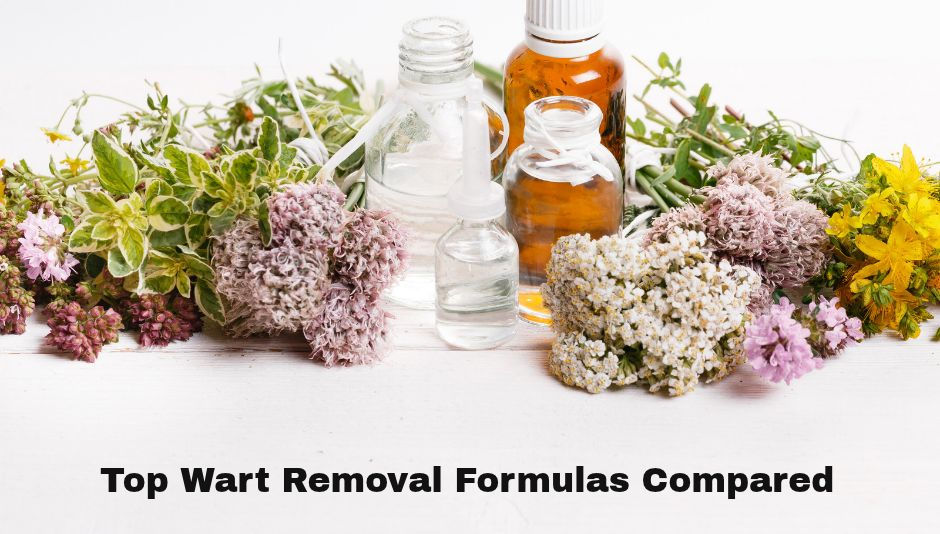
Natural wart formulas may contain plant-derived oils or other ingredients, while homeopathic products follow a different preparation philosophy. These categories should not be treated as interchangeable because their ingredients, concentrations, and supporting evidence may vary.
Be cautious of products that promise rapid removal, permanent results, or effectiveness for every type of wart without credible evidence. Avoid applying concentrated essential oils or irritating substances to broken skin or sensitive areas.
How to Compare Wart Removal Formulas Before Buying
A useful comparison looks beyond the product name or packaging. Check these details before deciding which treatment is appropriate.
1. Check the Active Ingredients
For medicated products, look for the active ingredient and its concentration. Salicylic acid products, for example, may have different strengths depending on whether they are intended for ordinary warts or thick skin on the soles of the feet.
For natural formulas, read the complete ingredient list and check for substances that could irritate your skin or trigger an allergic reaction. If a product does not clearly explain what it contains, how to apply it, or which warts it is intended to treat, be cautious.
2. Match the Formula to the Wart's Location
A formula designed for thick plantar warts on the soles of the feet may not be appropriate for thin or sensitive skin. Similarly, a product intended for ordinary hand warts should not automatically be used on facial or genital growths.
Check the label for age restrictions, application areas, warnings, and contraindications. If you are uncertain about the type of growth, have it examined before applying a removal formula.
3. Understand the Expected Treatment Time
Wart removal is rarely an overnight process. Salicylic acid treatments often require consistent use over several weeks, while freezing treatments may require repeat applications according to the manufacturer's instructions.
Compare products based on their documented directions rather than promises of instant results. Stopping too early may leave wart tissue behind, while applying a formula too frequently can damage surrounding skin.
4. Review Safety Information and Evidence
Reliable product information should explain how to use the formula, potential side effects, storage requirements, and when treatment should stop. Avoid products that claim to work for every skin growth or guarantee that a wart will never return.
The American Academy of Dermatology's wart treatment guidance explains established treatment options, including salicylic acid and professional freezing. This provides a useful reference when comparing commercial formulas with treatments supported by dermatological guidance.
How to Use a Wart Removal Formula More Safely
Start by confirming that the growth is likely to be a wart. For a suitable ordinary wart, follow the product directions carefully, protect the surrounding skin as instructed, and avoid picking or cutting the growth.
Wash your hands after touching or treating a wart, and do not share files, pumice stones, or other tools used on the affected area. These precautions can help reduce the spread of the virus to other parts of your body or to other people.
Stop treatment if the surrounding skin becomes severely irritated, painful, or starts bleeding. Seek medical advice if the wart changes, grows rapidly, or fails to improve with appropriate home treatment. People with diabetes, poor circulation, or weakened immune systems should consult a healthcare professional before attempting removal at home.
Frequently Asked Questions
Q. Which ingredient is commonly used for wart removal?
Salicylic acid is a common over-the-counter ingredient that gradually removes layers of wart tissue. Its suitability depends on the wart's location, the product's formulation, and the user's health.
Q. How long does wart removal treatment take?
Treatment may take several weeks or longer. Some warts also disappear naturally over time, while stubborn growths may require professional treatment.
Q. Are natural wart removal formulas effective?
Evidence varies by ingredient and formulation. Natural or homoeopathic labelling does not establish effectiveness, so review the available evidence and safety information before use.
Q. When should I see a dermatologist about a wart?
Seek professional advice if the growth is painful, bleeding, changing, located on the face or genitals, or difficult to identify. Medical guidance is also important if you have diabetes or a weakened immune system.
Final Thoughts
Choosing a wart removal formula involves more than comparing ingredients or advertised results. Consider the wart's location, the treatment's evidence, application requirements, potential side effects, and your individual health needs. When a growth is uncertain or treatment does not help, professional assessment is a safer next step than trying increasingly aggressive removal methods.